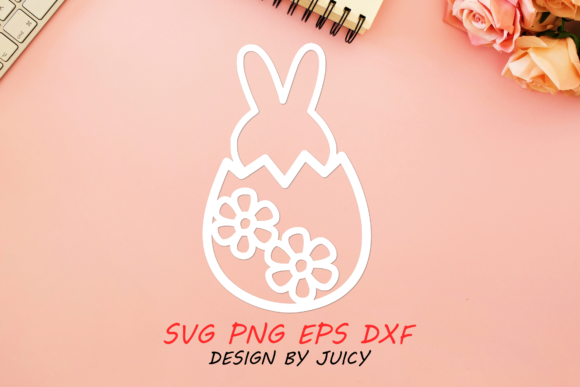
Reviewing the Easter Bunny in the Egg SVG for Embroidery
As a designer who has spent years translating digital concepts into stitched reality, I approach every new embroidery file with a mix of curiosity and skepticism. We have all been there: you download a cute graphic, load it into your software, and realize too late that the lines are too thin for a needle or the density is a recipe for puckered fabric. That is why I took a close look at the Easter Bunny in the Egg Svg. While the product description highlights its versatility for paper crafts, stickers, and scrapbooking, my focus was strictly on how this design translates to thread and fabric for real-world embroidery projects.
First Impressions: Simplicity Meets Seasonal Charm
The first thing that strikes you about the Easter Bunny in the Egg Svg is its clean, iconic silhouette. In the world of Graphics and Crafts, simplicity is often king, especially when moving from screen to stitch. The design features a bunny nestled within an egg shape, creating a contained, cohesive unit. This layout is inherently practical for embroidery because it minimizes loose, floating elements that can snag or shift during stitching.
The mood is playful yet refined. It does not rely on excessive detail, which is a blessing for machine embroidery. Complex shading and tiny details often get lost in translation when using satin stitch or fill stitch techniques. Instead, this design relies on strong outlines and recognizable shapes. For an Etsy seller or small shop product creator, this means the design remains legible even at smaller sizes. It feels like a modern take on traditional holiday embroidery, suitable for customers who want something festive but not overly childish.
Real-World Application: From Digital File to Finished Product
To truly evaluate a design, you have to imagine it on actual goods. I visualized this Easter Bunny in the Egg Svg on a variety of substrates. Here is where the design shines:
- Custom Apparel: Imagine this stitched onto the left chest of a pastel-colored sweatshirt. The contained shape of the egg works perfectly for this placement. It is small enough to be subtle but distinct enough to be noticed. For sweatshirt embroidery, the design’s lack of intricate internal detailing means it will hold up well against the texture of fleece or cotton blends.
- Tote Bag Design: Canvas bags are a staple for craft business owners. This design would look fantastic centered on a natural canvas tote. The bold lines of the bunny and egg provide good contrast against the woven texture of the fabric. It transforms a simple bag into a seasonal handmade product that customers love for spring outings.
- Baby Embroidery: For baby onesies or burp cloths, softness and durability are key. Since this design can be scaled down, it works well for baby embroidery. However, one must be mindful of the stitch type. If the SVG is converted into a dense fill, it might feel stiff against sensitive skin. Using a lighter running stitch for outlines or reducing fill density can make it more comfortable.
- Embroidered Patch: The self-contained nature of the egg shape makes it an ideal candidate for an embroidered patch. You can easily add a satin stitch border around the egg to create a finished edge, making it easy to iron or sew onto jackets, hats, or backpacks.
Navigating Technical Challenges in Stitching
While the design is visually appealing, converting an SVG intended for cutting machines into a machine embroidery design requires careful digitizing. An SVG is vector-based, meaning it defines paths, not stitches. If you are using auto-digitizing software, you need to be cautious.
Stitch density is the primary concern. If the egg shape is filled with a solid color, ensure the density is appropriate for your fabric. On stretchy fabrics like jersey knits used in t-shirts, high density can cause pulling and distortion. Always use a proper stabilizer—cut-away for knits and tear-away for wovens—to support the stitches.
Another consideration is thread colors. The design’s impact relies heavily on contrast. A white bunny on a yellow egg might vanish if the thread sheen reflects light similarly. I recommend testing high-contrast combinations, such as a dark outline with a pastel fill, to ensure the bunny’s features remain distinct. Also, consider the hoop size. While the design is scalable, shrinking it too much can cause thread breaks or poor registration, where the stitches do not align correctly.
Where to Use Caution
Not every surface is friendly to this design. Avoid placing it on highly textured fabrics like thick wool or terry cloth without significant stabilization, as the small details of the bunny’s face or ears might get lost in the pile. Similarly, be cautious with dark fabric if the design relies on light thread colors; you may need an underlay stitch or a backing layer to prevent the fabric color from showing through the stitches.
If you plan to use this on curved surfaces like caps, remember that the egg shape is oval. Distortion can occur if the design is not properly compensated for the curve of the cap buckram. It is best suited for flat panels or structured fronts where the fabric tension is consistent.
Enhancing Brand Value and Customer Trust
For commercial embroidery professionals, the quality of your design directly impacts your brand perception. A clean, well-stitched Easter Bunny in the Egg Svg signals professionalism. It shows that you care about the finish of your personalized gift items. Customers are more likely to trust a seller whose products look crisp and intentional rather than messy or overly dense.
This design also lends itself well to printable mockup creation. Because the shape is simple, it looks great in digital previews, helping digital product sellers and creative entrepreneurs market their items effectively on social media. A strong visual presentation drives buyer engagement and can justify a higher price point for your finished product.
Practical Designer Notes for Best Results
Before you commit to stitching this design on a client’s garment or your inventory, follow these steps:
- Test on Scrap Fabric: Always run a test stitch-out on the same type of fabric you intend to use. This reveals issues with tension, density, and color contrast.
- Check Licensing: The product description mentions it is for various crafts, but always confirm if the license allows for commercial use of the digital embroidery file or the finished items. Never assume; always verify.
- Digitize with Care: If you are converting the SVG yourself, pay attention to corner sharpness. Round off sharp corners slightly to prevent thread bunching. Use appropriate underlay stitches to anchor the design.
- Contrast Check: View your design in black and white. If the elements blend together, adjust your thread colors or add outlining stitches to define the shapes better.
- Inspect Small Details: Ensure the bunny’s eyes and nose are large enough to be stitched cleanly. Tiny details often require manual adjustment in your embroidery software to avoid skipped stitches.
In conclusion, the Easter Bunny in the Egg Svg is a versatile asset for those in the Crafts and Graphics space. With thoughtful digitizing and attention to fabric choice, it can elevate your spring collection, offering a charming, professional look that resonates with customers seeking quality custom apparel and home decor. It is a solid choice for makers who value both aesthetics and practicality in their design assets.