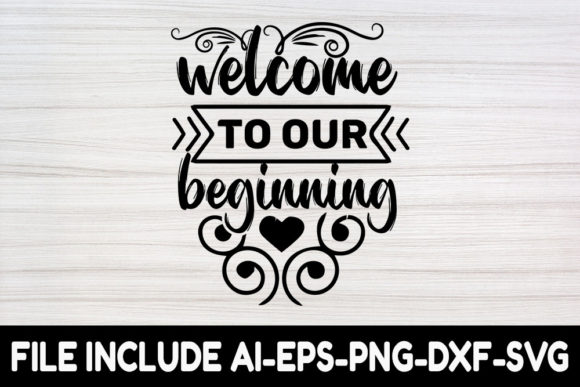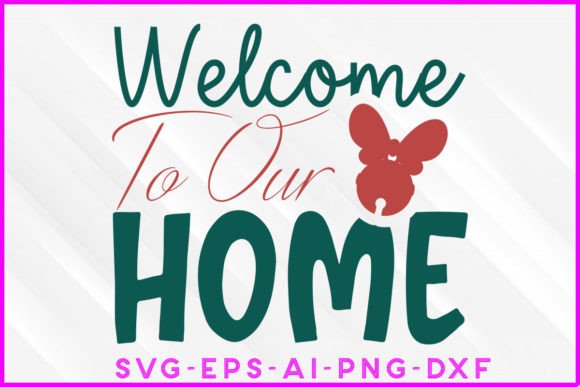
Reviewing Welcome to Our Home Christmas SVG for Stitchers
As a designer who spends more time staring at digitized paths than I do sleeping, I approach every new machine embroidery design with a healthy dose of skepticism. We have all been there: you download a file that looks crisp on the screen, only to watch it turn into a tangled mess of thread breaks and puckering on your favorite hoodie. That is why when I pulled up the Welcome to Our Home Christmas SVG, my first instinct was not to click "buy," but to analyze its structural integrity for real-world application.
This particular piece markets itself as a retro, groovy Christmas design suitable for everything from T-shirts to mugs. But for those of us in the crafts and graphics space who actually stitch these files, the question is always the same: how does it translate from a vector line to a tactile, stitched reality? After mentally walking through a recent client project involving holiday tote bags, I want to share my practical assessment of this design’s potential in your next embroidery project.
First Impressions: Mood and Visual Personality
The immediate vibe of the Welcome to Our Home Christmas SVG is nostalgic warmth. It leans heavily into the current trend of 70s-inspired typography mixed with traditional holiday motifs. For an embroidery designer, this is a double-edged sword. Retro fonts often feature thick, bold lines that are fantastic for visibility, but they can be tricky if the digitizer has not accounted for proper underlay or stitch direction.
In terms of layout, the design feels balanced. It does not scream for attention with excessive detail, which is a good sign for durability. A cluttered design often fails on textured fabrics, but this one appears to rely on strong shapes and clear negative space. This visual personality suggests it belongs on items meant to be cozy and inviting—think family gathering spaces rather than high-fashion streetwear. It creates a mood of hospitality, making it an ideal candidate for personalized gift items where the sentiment matters as much as the aesthetic.
Real-World Application: The Tote Bag Test
Let’s look at a concrete scenario. Imagine you are preparing a batch of custom canvas tote bags for a local holiday market. You need a design that reads well from three feet away and withstands the weight of groceries. Here, the Welcome to Our Home Christmas SVG shines. The bold nature of the retro lettering means it will hold up well on the coarse weave of canvas.
If you were to use this on a sweatshirt embroidery project, the outcome would likely be equally successful. The thickness of the lines suggests that a standard fill stitch or a wide satin stitch border would define the edges cleanly without sinking into the fleece. However, I would caution against using this on thin, stretchy jersey knits unless you are experienced with heavy stabilization. The density required to make those retro letters pop could cause significant puckering on lightweight fabric.
For Etsy seller audiences, this design offers versatility. It works as a central chest print on a hoodie or as a smaller accent on a embroidered patch that can be ironed onto a denim jacket. The key is recognizing that this is a statement piece. It is not subtle. Therefore, it fits best on products where the user wants to announce their holiday spirit loudly and proudly.
Technical Considerations and Potential Pitfalls
While the aesthetic is strong, we must discuss the technical execution. Since this is sold primarily as an SVG for printing, those of us converting it for embroidery must be vigilant. If you are sourcing a dedicated digital embroidery file version of this design, check the stitch count. High-density areas in the "groovy" curves can lead to thread breaks if the machine speed is too high.
One area requiring careful attention is the small details. Retro designs often have tight corners or overlapping elements. On a small hoop size, such as a 4x4 inch frame, these details might merge together, losing legibility. I recommend testing this design on scrap fabric before committing to your final finished product. Pay close attention to how the thread colors interact. Because the design relies on contrast, using low-contrast threads on dark fabric will render the text unreadable.
Additionally, consider the surface you are stitching on. Curved surfaces like caps present a challenge for any wide design. If you plan to use this for custom apparel headwear, ensure the design width fits within the usable area of your cap frame without distorting the lettering. For flat items like tote bag design projects or pillow covers, this is less of an issue, but stabilizer choice remains critical. A cut-away stabilizer is likely necessary to support the weight of the stitches over time, especially if the item will be washed frequently.
Enhancing Product Value and Brand Consistency
From a business perspective, the right design elevates a handmade product from a craft fair leftover to a boutique item. The Welcome to Our Home Christmas SVG has a professional, curated look that aligns well with modern home decor trends. Using this on kitchen towels or aprons can create a cohesive collection for your small shop product lineup.
Customers trust designs that look intentional. Sloppy stitching or poor digitizing erodes that trust instantly. By choosing a design with clear, bold lines, you reduce the risk of production errors. This consistency helps build brand recognition. If your customers associate your shop with high-quality, clean holiday embroidery, they are more likely to return for future seasons. Furthermore, this design serves well in printable mockup previews. Its distinct shape makes it easy to visualize on various products in your online store, helping buyers imagine the item in their own homes.
Practical Notes for the Embroidery Designer
Before you load this into your machine, here is a checklist to ensure success:
- Test on Scrap Fabric: Always run a test stitch-out on the same material you plan to use for the final item. Check for puckering and thread tension.
- Check Thread Contrast: Ensure your thread colors stand out against the fabric. Dark threads on dark fabric will hide the design details.
- Review Stitch Density: If the file allows, adjust the density. Too dense, and the fabric will stiffen; too sparse, and the background fabric will show through.
- Confirm Hoop Size: Measure the design dimensions against your hoop. Do not try to squeeze a large design into a small hoop by resizing it excessively, as this distorts the stitch angles.
- Inspect Small Details: Zoom in on the digital file. Look for tiny elements that might not stitch out cleanly and consider simplifying them if necessary.
- Use Proper Stabilizer: Match your stabilizer to your fabric. Heavy fabrics may need less support, while light or stretchy fabrics require robust stabilization.
- Verify Licensing: Before selling items made with this design, confirm the license terms. Ensure you have commercial rights if you are an Etsy seller or running a craft business.
In conclusion, the Welcome to Our Home Christmas SVG is a promising asset for your holiday collection. It balances retro charm with practical simplicity, making it suitable for a wide range of commercial embroidery applications. However, its success depends entirely on your technical preparation. Treat it with the respect it deserves—test it, stabilize it, and stitch it with care—and it will become a standout piece in your portfolio of design assets.