Review: Best Teacher Ever SVG for Embroidery Projects
As a designer who spends more time staring at stitch maps than most people care to admit, I approach new design assets with a healthy dose of skepticism. We have all seen those cute graphics online that look perfect on a screen but turn into a tangled mess of thread once they hit the hoop. Today, I am taking a close look at the About Best Teacher Ever Svg Graphic. This isn't just about whether it looks cute; it is about whether it holds up under the needle for a real embroidery project.
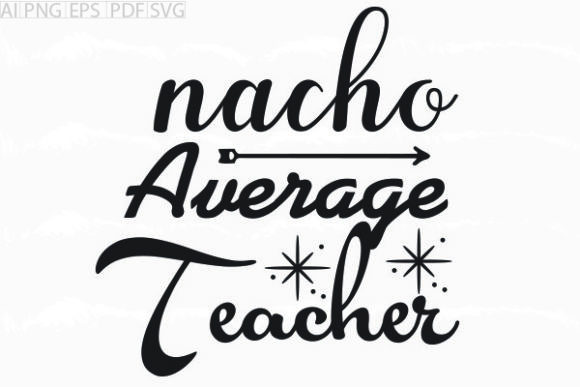
My first impression of this graphic is that it strikes a solid balance between sentimentality and modern simplicity. The layout feels open and breathable, which is crucial when you are translating a vector image into a machine embroidery design. Often, "teacher" themed graphics are cluttered with too many apples, pencils, and books, making them impossible to digitize cleanly without losing detail. This specific graphic, however, seems to rely on strong typography and clean lines. For an Etsy seller or a small shop owner, this visual clarity is gold. It means the finished product will look professional rather than homemade in the messy sense of the word.
Putting It to the Test: A Real-World Scenario
To truly evaluate this file, I imagined a specific job: a custom order for a local elementary school's end-of-year appreciation gifts. The client wanted personalized tote bags for five different teachers. This is a classic use case where the About Best Teacher Ever Svg Graphic shines. Tote bags usually have a tighter weave than t-shirts, providing a stable surface for stitching.
In this scenario, the graphic's structure suggests it would work beautifully as a satin stitch application for the text, perhaps paired with a fill stitch for any accompanying icons like an apple or chalkboard element. The mood it creates is warm and appreciative without being overly childish. This versatility allows it to fit on a trendy canvas tote for a young teacher or a structured apron for a shop class instructor. When I visualize the custom apparel or accessory, I can see how the design centers well, leaving enough negative space so the stitching doesn't pucker the fabric.
However, if you are planning to use this for sweatshirt embroidery, you need to be mindful of the fabric texture. Fleece and heavy cotton blends can swallow up fine details. If the graphic includes thin lines or small lettering, you might need to adjust your digitizing settings or choose a thicker thread weight to ensure visibility. The goal is to maintain the integrity of the original Graphics while respecting the limitations of the textile.
Technical Considerations for Stitching Success
While the source file is listed under Crafts and intended for various uses like vinyl cutting or printing, us embroidery folks have extra hurdles. Before loading this into your machine, there are several practical factors to consider regarding how the design translates to thread.
- Hoop Size Constraints: Check the dimensions of the graphic against your available hoops. If you are aiming for a left-chest logo on a polo shirt, ensure the design scales down without losing legibility. Tiny text can become unreadable if the hoop size forces you to shrink the design too much.
- Stitch Density: High-density areas can cause fabric distortion. If the graphic has large solid blocks of color, you may need to manually adjust the stitch density in your software to prevent the fabric from pulling or the design from becoming too stiff.
- Fabric Compatibility: This design likely works best on stable fabrics like cotton twill, denim, or canvas. Using it on stretchy knits or textured towels requires a high-quality stabilizer. Without proper backing, the running stitch outlines might sink into the loops of a towel, ruining the crisp look of the graphic.
- Color Contrast: The visual appeal relies heavily on thread colors. Test the design in black and white mockups first to ensure the contrast is sufficient. A dark thread on a navy sweatshirt might look sophisticated, but ensure it doesn't disappear entirely.
Navigating Tricky Surfaces and Details
There are situations where you need to proceed with caution. If you plan to put this on a curved surface like a cap, the layout of the About Best Teacher Ever Svg Graphic needs to be analyzed for distortion. Curved surfaces stretch the design horizontally; if the text is already wide, it might look warped once stitched. Similarly, detailed corners in the vector art might need to be simplified into a true applique design or modified with mitered corners to prevent thread bunching.
Another critical area is washability. Teachers' items get washed frequently. Dense stitch areas can hold water and take longer to dry, or worse, peel away if the underlay isn't sufficient. If you are selling these as commercial embroidery products, durability is part of your brand promise. Always test the design on scrap fabric of the same material you intend to sell. Wash and dry that sample three times before committing to a production run.
Value Proposition for Makers and Sellers
Why choose this specific graphic over others? For a craft business, consistency is key. This graphic offers a level of professionalism that builds customer trust. When a parent buys a personalized gift for their child's teacher, they want something that looks like it came from a boutique, not a last-minute craft fail. The clean lines of this SVG suggest a high-quality digital embroidery file that, when executed correctly, elevates the perceived value of the item.
For those creating printable mockups or listing items online, the scalability of the SVG format is a massive advantage. You can create listings for everything from baby embroidery on onesies to large wall hangings without needing multiple file versions. This flexibility supports a diverse inventory for any small shop product line. Whether it is for holiday embroidery during the Christmas rush or a back-to-school promotion, having a reliable base design saves hours of troubleshooting.
Ultimately, the About Best Teacher Ever Svg Graphic is a strong contender for your library, provided you treat it with the technical respect it deserves. It is not just a picture; it is a blueprint for a physical object. By paying attention to stabilizer choices, thread tension, and fabric selection, you can transform this digital asset into a tangible piece of art that teachers will proudly wear or display. Remember, the difference between a good design and a great handmade product often lies in the preparation. Check your licensing terms to ensure you are cleared for commercial use, verify the file formats compatible with your machine, and always stitch a test sample. With those steps in place, this graphic is ready to help you create some truly memorable gifts.