Review: Flying Seagulls SVG for Real Embroidery Projects
As a designer who spends more time staring at stitch maps than most people care to admit, I approach every new digital embroidery file with a mix of excitement and skepticism. When I first pulled up the SEAGULLS SVG, FLYING SEAGULLS SVG, PNG package, my immediate thought wasn't about the vector lines on the screen, but how those lines would translate into thread on fabric. There is often a disconnect between a crisp graphic intended for vinyl cutting and a robust design ready for the needle. This review breaks down how this specific asset holds up when moved from the realm of Graphics into the tactile world of actual stitching.
First Impressions: Mood and Visual Personality
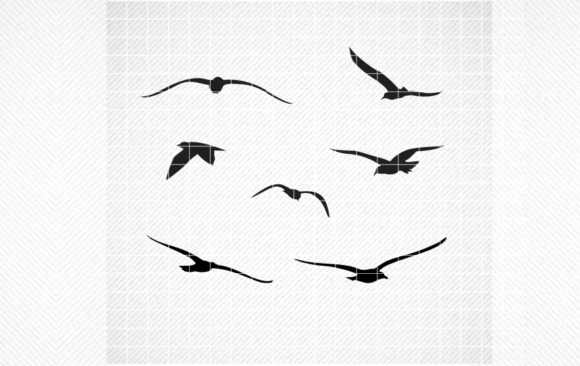
The initial visual impact of these seagull designs is one of freedom and coastal calm. The silhouette of a flying bird is timeless, but the execution here feels modern enough to avoid looking like a cliché souvenir shop item. The shapes are fluid, suggesting motion without becoming overly complicated. For an embroidery project, this is crucial. Overly intricate details in a flying bird design can easily turn into a tangled mess of thread breaks and bird nests if the resolution isn't there.
What stands out is the balance between negative space and solid form. In embroidery, we rely on fill stitch areas to create weight and satin stitch borders to define edges. This design appears to have a layout that respects the limitations of the machine while maximizing aesthetic appeal. It creates a mood that fits perfectly with nursery decor, beach house accents, or minimalist boutique branding. It doesn't scream for attention; instead, it invites a closer look, which is exactly what you want in a high-end handmade product.
Real-World Application: From Screen to Sweatshirt
To truly test the viability of the SEAGULLS SVG, FLYING SEAGULLS SVG, PNG files, I imagined a specific client scenario: a custom order for a local boutique needing a run of organic cotton tote bags and heavyweight sweatshirts. The client wanted a subtle nod to the ocean without using typical anchor or wheel motifs.
For the tote bag design, the flying seagull offers a perfect central focal point. Because tote bags often use canvas or heavy cotton, the fabric can support a moderate stitch density without puckering. The sweeping wings of the seagull would look stunning in a monochromatic thread scheme, perhaps a soft slate grey on natural canvas. This creates a sophisticated look that elevates the bag from a simple grocery carrier to a fashion accessory.
However, the real test came with the sweatshirt embroidery. Fleece and French terry are notorious for swallowing small details. If the gaps between the wings or the tail feathers are too narrow, the fabric will push through, ruining the definition. In this case, the design's open structure works in its favor. It allows the texture of the sweatshirt to peek through slightly, integrating the design into the garment rather than just sitting on top of it. This is a key consideration for any custom apparel decorator aiming for a professional finish.
Versatility Across Products
Beyond bags and sweaters, this design asset shows promise for a variety of other applications common in the Crafts industry:
- Baby Embroidery: The gentle curves are ideal for onesies or receiving blankets, provided the scale is reduced appropriately.
- Embroidered Patch: The clear outlines make it a strong candidate for merrowed edge patches, a popular item for Etsy sellers.
- Holiday Embroidery: With a change in thread colors, these birds could easily transition into winter-themed decor or summer vacation gifts.
- Kitchen Textiles: Tea towels and aprons benefit from designs that can withstand frequent washing, and the bold shapes here suggest durability.
Technical Considerations and Potential Pitfalls
While the design is promising, no machine embroidery design is without its challenges. One area requiring careful attention is the hoop size. If you are working on curved surfaces like caps or visors, the wingspan of a flying seagull might exceed the available stitching area of a standard cap frame. You may need to resize the design, which brings us to the importance of checking the original file limits. Resizing a raster-based PNG too much can result in pixelation, while vector formats like SVG, DXF, or EPS generally handle scaling better—but only if the underlying stitch data (if converting) or the cut paths are clean.
Another critical factor is stabilizer selection. For stretchy fabrics like jersey knits used in baby clothes, a cut-away stabilizer is non-negotiable to prevent distortion over time. Since this design likely involves directional stitching to mimic feather flow, the pull on the fabric will be significant. Skipping proper stabilization here would lead to a warped finished product that no amount of pressing can fix.
Furthermore, consider the thread colors. On dark fabrics, a light-colored seagull will pop, but you must ensure the density is high enough to cover the background fabric completely. Conversely, on light fabrics, using a dark thread requires precise tension settings to avoid visible bobbin thread pulling to the top. I always recommend running a test stitch-out on scrap fabric of the same weight and texture as your final material. This simple step saves hours of frustration and protects your reputation as a maker.
Commercial Viability for Small Shops
For the small shop product creator or the Etsy seller, the commercial potential of this design lies in its adaptability. It serves well as a standalone motif or as part of a larger composition involving text or other coastal elements. However, before listing items for sale, you must verify the licensing terms included with the SEAGULLS SVG, FLYING SEAGULLS SVG, PNG download. Some digital assets are for personal use only, while others allow for unlimited physical sales but restrict the resale of the digital file itself.
Using this design in printable mockups for your online store can help visualize the end result, but remember that a screen image never perfectly replicates the texture of thread. Customer trust is built on consistency; if your mockup promises a crisp, detailed bird and the stitched version arrives muddy due to poor fabric choice, it reflects poorly on your brand. Transparency about the handmade nature of the item, including slight variations inherent to embroidery, is key to maintaining buyer engagement.
Final Verdict and Designer Notes
In the landscape of available design assets, the SEAGULLS SVG, FLYING SEAGULLS SVG, PNG collection stands out as a versatile tool for the creative entrepreneur. It bridges the gap between digital convenience and artisanal quality. Whether you are creating a personalized gift for a friend who loves the beach or stocking inventory for a summer craft fair, this design offers a solid foundation.
My advice is to treat the digital file as a starting point, not the final answer. Experiment with different thread colors to find unique combinations that set your work apart. Try pairing a metallic thread with matte cotton for a subtle shimmer, or use variegated thread to add depth to the wings. Pay close attention to the stitch density settings if you are digitizing the SVG yourself, ensuring that satin columns are not too wide to cause looping.
Ultimately, the success of this embroidery file in your hands depends on your preparation. Check your machine compatibility, confirm the file formats provided (SVG, DXF, PNG, PDF, EPS) match your workflow, and always prioritize the quality of the materials you pair with the design. When executed with care, these flying seagulls can transform a simple piece of fabric into a cherished keepsake, proving that thoughtful design is the heart of every great craft business.