Review: Welcome Spring SVG Design for Real Embroidery Projects
As a designer who spends more time staring at stitch maps than most people care to admit, I approach every new digital embroidery file with a mix of optimism and skepticism. When I first opened the Welcome Spring SVG Design, my immediate reaction wasn't just about the cute factor; it was about viability. In the world of craft business and handmade goods, a design needs to look good on a screen, but it must perform flawlessly under the needle. This review breaks down how this specific graphic translates from a vector file into a tangible, high-quality finished product.
First Impressions: Mood and Visual Personality
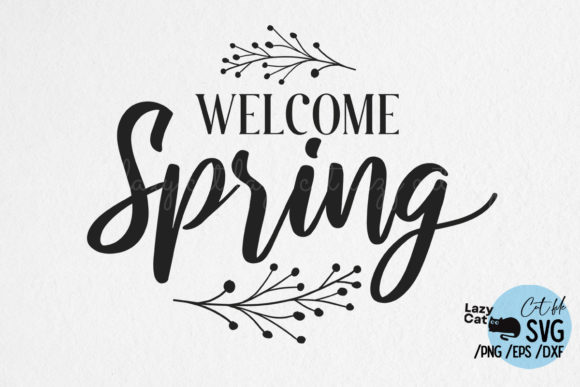
The Welcome Spring SVG Design carries a distinct mood that feels fresh without being overly childish. The layout suggests a balance between whimsical typography and organic shapes, likely featuring floral elements or seasonal motifs common in spring-themed graphics. For an embroidery project, the visual personality is key. Does it scream "discount bin" or "boutique quality"? From a design standpoint, this asset leans toward the latter. The lines appear clean, which is crucial when converting SVG paths into running stitch or satin stitch commands in your digitizing software.
The theme naturally evokes renewal and warmth, making it an ideal candidate for lightening up winter-weary inventory. Whether you are an Etsy seller looking to refresh your shop front or a hobbyist making gifts, the aesthetic fits well within current trends that favor hand-drawn looks and natural palettes. However, as a reviewer, I always look past the pretty picture to the structural integrity of the design elements.
Real-World Application: The Tote Bag Test Case
To truly evaluate this design, I imagined a specific real-life scenario: creating a limited run of canvas tote bags for a local farmer's market. This is a common use case for small shop products where durability and visual impact matter equally. Using the Welcome Spring SVG Design as a base for appliqué or direct stitching on a heavy cotton canvas offers a great test of its versatility.
If used as an applique design, the SVG format allows for precise cutting on machines like Cricut or Silhouette before the embroidery hoop ever touches the fabric. The clean edges of the vector file mean less weeding and cleaner fabric placement. If stitched directly, the design's density would need to be managed carefully. On a tote bag, which undergoes significant stress and washing, a design with appropriate stitch density ensures the threads don't pucker or break after a few trips to the grocery store. The result would be a professional-looking handmade product that customers feel confident purchasing.
Expanding to Apparel and Home Decor
Beyond totes, this design shines on custom apparel. Imagine a lightweight linen sweatshirt or a fitted tee. The Welcome Spring SVG Design works exceptionally well here because spring themes often call for softer, breathable fabrics. For sweatshirt embroidery, the design would add a nice pop of color against neutral tones like oatmeal, sage, or soft pink. It is also a strong contender for baby embroidery projects. The gentle curves and welcoming message make it perfect for onesies or nursery wall hangings, provided the stitch count isn't too abrasive for sensitive skin.
In the realm of home decor, consider a kitchen tea towel or a pillow cover. These items often serve as holiday embroidery gifts or housewarming presents. The transparency of the PNG file included in the package (300 dpi) is a bonus for creating printable mockups to show clients before you even stitch a single thread. Being able to visualize the embroidered patch or design on a dark versus light background helps in setting accurate customer expectations.
Technical Considerations and Fabric Challenges
While the potential is high, there are areas where caution is necessary. Not all fabrics play nice with every design. If you plan to use the Welcome Spring SVG Design on stretchy knits or textured waffle weaves, you must pay close attention to your stabilizer choice. A design with fine details or tiny lettering can easily get lost or distorted on rough textures.
- Small Hoop Sizes: If the design has intricate corners, ensure your hoop size accommodates the full span without cramming, which leads to puckering.
- Dark Fabrics: Check the contrast. If the design relies on light thread colors, it may vanish on navy or black garments unless you plan for an underlay or backing.
- Curved Surfaces: Applying this to caps requires careful positioning. The curvature of a hat can distort wide designs, so verify the aspect ratio before committing.
- Washability: For items like aprons or baby clothes that face frequent washing, inspect the density. Too dense, and the fabric becomes stiff; too sparse, and the design loses definition.
It is also vital to remember that while the product description lists SVG, PNG, EPS, and DXF files suitable for cutting machines, these are not native machine embroidery files (like PES or DST) unless specified otherwise. As a professional, you may need to digitize the SVG into a proper machine embroidery design using your software, adjusting stitch types like fill stitch or satin columns to match the fabric weight.
Enhancing Brand Value and Customer Trust
Ultimately, the choice of design assets impacts your brand consistency. Using a cohesive, high-quality graphic like the Welcome Spring SVG Design elevates the perceived value of your commercial embroidery work. Customers trust brands that present clean, well-executed visuals. A sloppy stitch job or a pixelated graphic kills sales, but a crisp, thoughtfully placed design builds loyalty.
For creative entrepreneurs, this design serves as a versatile tool. It can be the centerpiece of a spring collection, a bonus item for loyal customers, or a standalone personalized gift. The professional presentation of the final item reflects directly on your reputation as a maker.
Final Designer Notes and Best Practices
Before launching this design into production, I recommend a few practical steps. First, always test the design on scrap fabric that matches your final material. This reveals issues with tension or thread breaks early. Second, review your thread colors; sometimes the default digital colors don't translate perfectly to physical spools, so adjust for harmony. Third, confirm the licensing terms. While the files are great for crafting, ensure you have the right to sell finished items if you are running a business.
Check the small details. Are there isolated stitches that might jump? Is the text legible at a smaller scale? Running a black-and-white mockup can help identify contrast issues. Finally, pair the design with the right stabilizer to ensure the fabric texture supports the weight of the thread.
The Welcome Spring SVG Design is a solid addition to any designer's library, offering flexibility across various Crafts categories. With careful preparation and an eye for detail, it can transform simple materials into cherished keepsakes and profitable merchandise. Whether you are decorating a cap, stitching a towel, or building a boutique line, this design holds the potential to bring a touch of spring to your workspace and your customers' lives.